


The modern omnichannel strategy for Home & Garden retailers
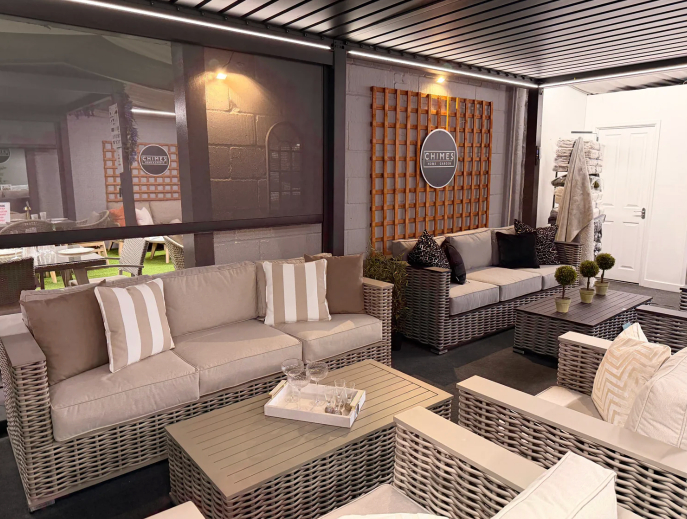
We speak with a lot of merchants in the Home & Garden sector: furniture retailers, kitchen specialists, flooring companies, outdoor living brands, lighting showrooms, and interior-focused retailers.
And eventually the same question always appears:
“Should we be switch all our investment into our ecommerce store, or is our showroom still worth growing?”
It’s an understandable question.
You look at your Shopify reports and website traffic is growing. Enquiries are increasing. Customers are browsing products online at all hours. At the same time, you may be looking at your physical space and wondering whether traditional retail still carries the same value.
But for many businesses, that debate misses the bigger opportunity. Because online and offline are not separate channels. For considered purchases, they’re simply different moments within the same customer journey. And increasingly, Shopify POS is what connects those moments together.
The strongest brands aren’t choosing between ecommerce and physical retail. They’re building systems where customers move seamlessly between both.
Home & Garden purchases behave differently
Selling a £4,000 sofa isn’t the same as selling a £12 phone case. Neither is a £10,000 kitchen project, a premium outdoor structure, or bespoke fitted furniture.
Home and garden purchases involve:
- longer buying cycles
- multiple decision makers
- more research
- inspiration gathering
- showroom visits
- consultations
- repeat interactions
Customers aren’t making impulse purchases. They’re making decisions about spaces they live in every day. Which means your sales journey needs to support confidence-building at every stage. This is where many retailers struggle. Their Shopify store captures one version of the customer journey. Their showroom captures another. And the two experiences rarely communicate.
Shopify POS changes that.
What your Shopify store does best
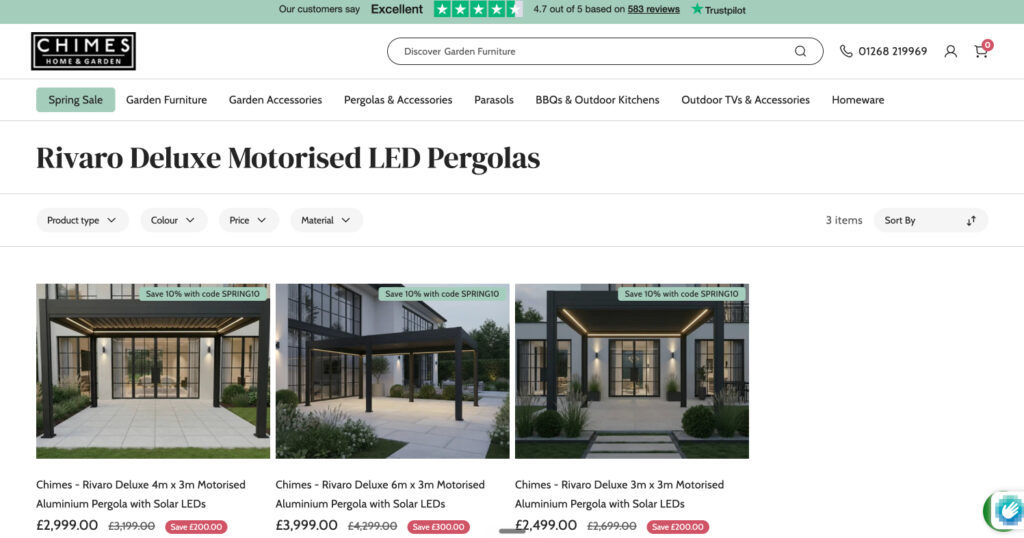
For Home & Garden retailers, your website is often where purchase journeys begin. Long before someone enters your showroom, your online store is already working. It helps customers discover your brand through search, social media and inspiration content.
It educates through:
- buying guides
- room inspiration
- specifications
- comparison content
- project galleries
- FAQs
It qualifies potential buyers. By the time a customer books a showroom appointment, they already understand your pricing, style and product range.
But perhaps most importantly, your Shopify store captures intent.
- Customers save products
- Browse collections
- Revisit categories
- Build shortlists
Traditionally, this information often disappeared once a customer walked into a physical location. With Shopify POS integrated into your retail operation, it doesn’t have to.
Shopify POS turns showroom visits into connected experiences
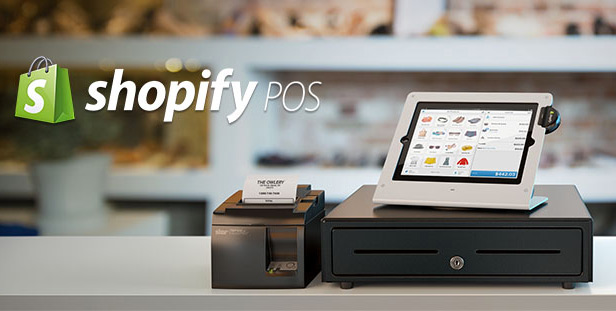
For many retailers, the showroom remains incredibly powerful because there are things customers still need to experience physically.
They want to understand:
- texture
- scale
- materials
- colour accuracy
- comfort
- finish quality
No amount of product photography replaces sitting on a sofa or seeing dining furniture inside a designed environment. But the issue for many businesses isn’t the showroom itself, it’s the disconnect.
A customer researches online for three weeks. Visits your showroom. Speaks with staff. Leaves to think about it. And then the entire interaction falls apart.
Shopify POS removes that break in the journey. Instead of treating your showroom as a separate retail environment, Shopify POS connects it directly to your e-commerce experience.
Staff can instantly access:
- customer profiles
- previous orders
- browsing history
- saved carts
- purchase behaviour
- notes and preferences
The conversation starts with context, not with:
“How can I help you today?”
But with:
“I can see you’ve been looking at our oak dining collections — would you like to compare finishes in person?”
That feels very different, because it is.
Home & Garden customers rarely buy immediately — and Shopify POS supports that reality
One of the biggest mistakes retailers make is assuming every showroom visit should end with an immediate purchase. Buying behaviour for more considered purchases doesn’t usually work that way.
Customers go away. They discuss options. Measure spaces. Compare ideas. Then they return.
Shopify POS helps continue the journey after they leave.
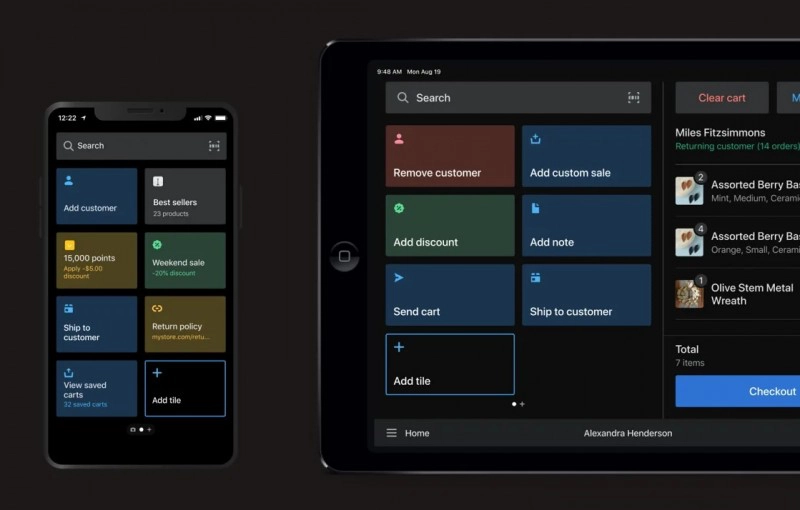
For example, a customer visits your showroom to look at dining furniture. They aren’t ready to buy. Using Shopify POS, staff can save products directly into a customer cart and send a personalised follow-up.
The customer later receives:
- products viewed
- dimensions
- pricing
- recommendations
- direct checkout links
The showroom experience continues online.
Not as a cold marketing email — but as a continuation of the conversation they already started.
Shopify POS also solves one of retail’s biggest frustrations: disconnected inventory
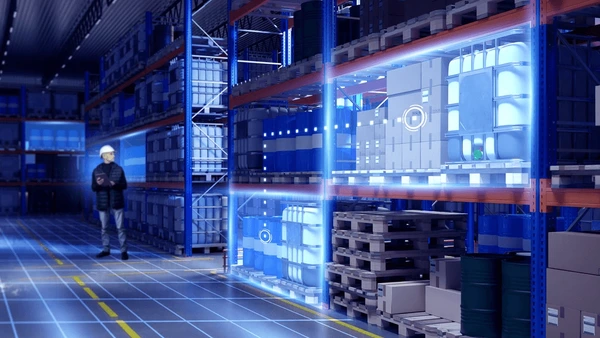
For retailers managing large catalogues, multiple suppliers, or showroom stock, disconnected systems create friction. Website stock says one thing, the showroom says another. Teams work from spreadsheets and customers receive inconsistent information.
Shopify POS keeps ecommerce and physical inventory aligned within one platform.
That means:
- stock updates sync automatically
- pricing stays consistent
- customer data remains centralised
- product information is shared
- staff see the same information customers see online
For retailers with multiple showrooms or locations, this becomes even more valuable, because customers increasingly expect one brand experience — not separate systems stitched together.
The strongest Home & Garden retailers design journeys, not channels
The businesses seeing the strongest growth aren’t asking:
“Should we prioritise online or offline?”
They’re asking:
“How do we move customers naturally between both?”
With Shopify POS integrated into the wider Shopify ecosystem, that becomes much easier.
Online → showroom
Your website should encourage meaningful next steps:
- book consultations
- reserve products
- request samples
- arrange showroom visits
Showroom → online
Your physical experience should continue after customers leave:
- saved baskets
- personalised follow-up
- customer accounts
- product recommendations
- direct checkout journeys
Data → better decisions
Because Shopify POS connects both environments, you can finally understand:
- which online journeys
- create showroom visits
- what influences large purchases
- where customers drop out
- which channels genuinely drive revenue
That visibility changes how you invest.
The bottom line
For Home & Garden retailers, online versus offline is a false choice. Your website creates discovery, education and intent. Your showroom creates trust, reassurance and experience. Shopify POS is the layer that connects both. Instead of operating two separate businesses, you create one continuous customer journey.
For merchants selling considered, higher-value products, that’s increasingly where competitive advantage lives.