What actually makes a purchase considered
Look at how people shop and the pattern isn’t about cost. It’s about consequence. Customers slow down when:
- It has to fit something they already own. A cushion has to work with the sofa, the rug and the curtains. Get the shade wrong and it looks wrong every day.
- It will be seen. Things on show in the home (a lamp, a vase, a doormat by the front door) say something about the people who live there.
- It has to physically fit. A £35 bathroom shelf that’s 2cm too wide is useless, whatever it cost.
- They’ll live with it for years. A good chopping board, a watering can or a set of bath towels gets used every day. People want to get it right.
- Returning it is a hassle. Even cheap items become considered when sending them back means repacking, printing a label and queuing at a drop-off point.
- Someone else has a say. A partner, a housemate or a family member often has opinions on what goes in a shared space, at any price.
None of those depend on price. A customer can spend three weeks choosing a £45 pendant shade and five minutes buying a £600 replacement boiler part they’ve been told to get.
Cheap, but not casual
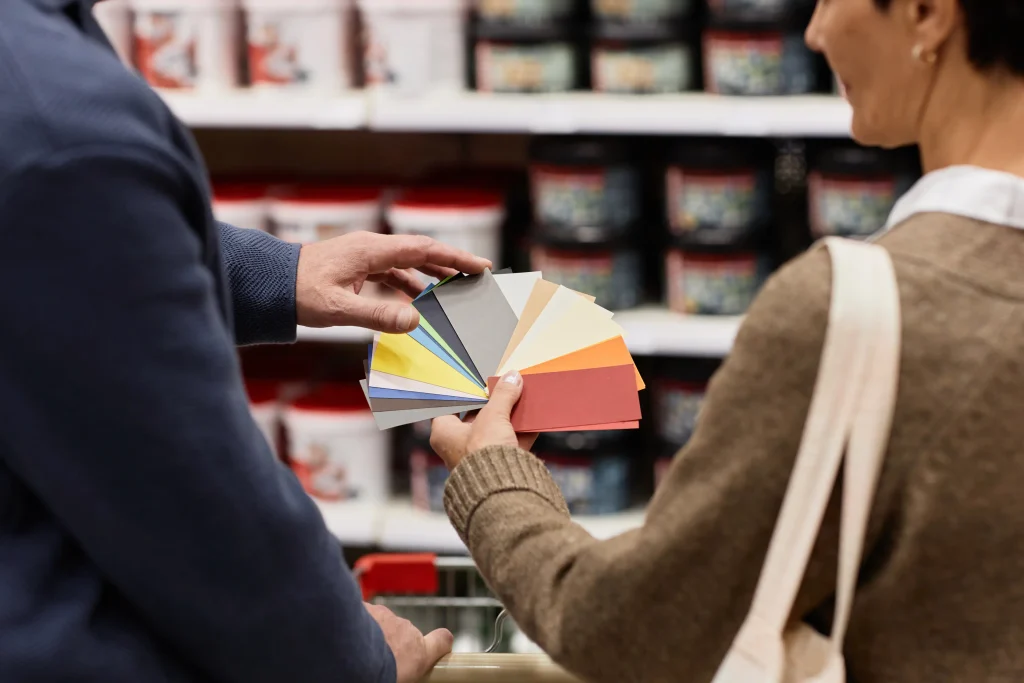
Take paint. A sample pot costs a few pounds, yet people order five or six, paint test patches, look at them in morning and evening light, and ask everyone in the house. The sample is cheap. The decision isn’t.
Or a rug. A mid-range rug might cost less than a weekly food shop, but customers still check the dimensions against the room, look for close-up texture photos, read reviews about shedding and ask whether the colour on screen matches real life.
Or a coffee grinder. Not necessarily a luxury purchase, but buyers watch comparison videos, read forums and agonise over burr types, because they’ll use it every morning.
In each case the customer’s behaviour is exactly what we see with high-value items: multiple visits, multiple devices, lots of questions, and a real fear of getting it wrong.
Why this matters for ecommerce
If you treat lower-priced products as impulse buys, you build a store for impulse buyers: quick add-to-basket, minimal detail, push to checkout. That works for some products. For considered ones, it quietly loses sales.
Considered shoppers need the same things regardless of price point:
- Detail that answers questions. Accurate dimensions, close-up photography, materials, care instructions.
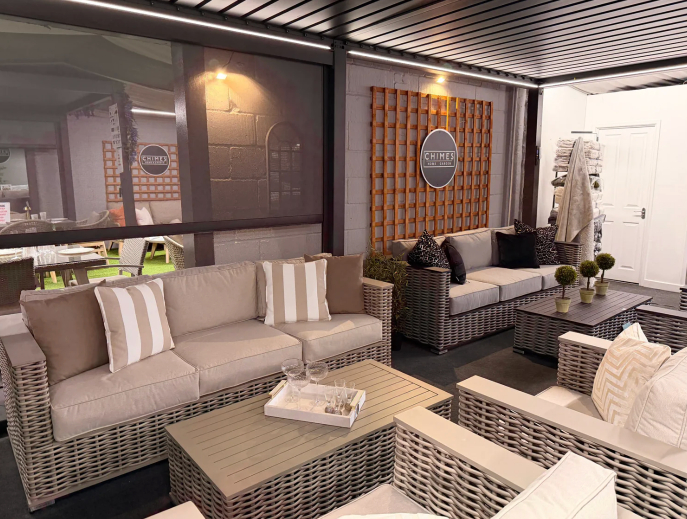
- Help visualising it in their home. Lifestyle imagery, room shots, colour swatches, and for the right products, visualisers or AR.
- Ways to save and come back. Wishlists, saved baskets and emails that pick up where they left off, because they will leave and return.
- Reassurance. Reviews that mention fit and colour, clear delivery information and a simple returns policy.
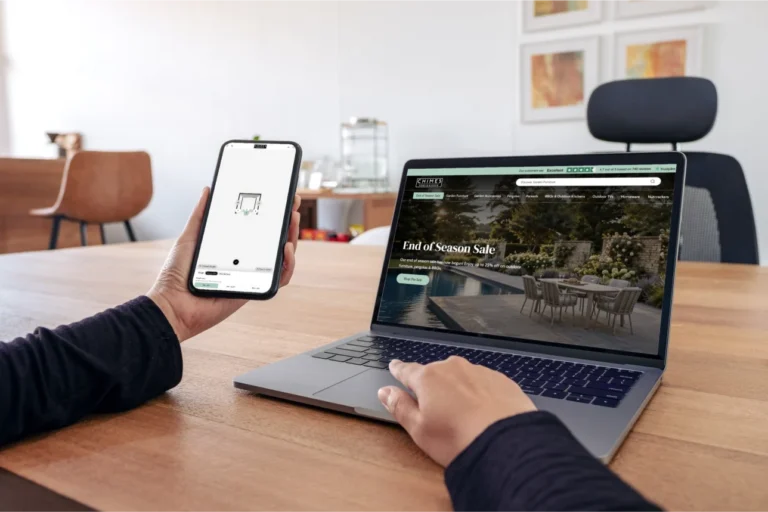
- A smooth journey across devices. Browsing on a phone in the evening, then buying on a laptop at the weekend.
A store selling £30 cushions needs to answer “will this match?” just as much as a store selling £3,000 sofas needs to answer “will this fit?”
Rethinking the category
Price is a useful shortcut, but it’s the wrong lens. The better question is: how much does it matter to the customer to get this right?
If the answer is “a lot”, you’re in Considered Commerce™ territory, whether the basket is £20 or £20,000. And the retailers who recognise that are the ones who build stores that earn the second visit, the saved basket and, eventually, the sale.