How often do people really buy?

The big pieces in a home are replaced every five to ten years, not every few months. Most people keep a sofa, dining table or garden set for years, and many plan to keep new furniture for at least five.
Your own customer data is the best guide, but the pattern is clear enough to plan around. If someone buys a piece every five to ten years, a campaign designed to bring them back in six months is chasing a purchase that isn’t due.
Why repeat-purchase tactics fit badly
Subscriptions, points schemes and win-back campaigns work best when the next purchase is weeks away. With a gap of years, they tend to do one of three things:
- Chase a sale that isn’t due. Someone who bought a sofa last month isn’t shopping for another, however good the email.
- Pull effort from elsewhere. Build time, app fees and team attention go into retention flows with little to retain.
- Wear out goodwill. Regular emails to someone with no reason to buy can undo the good feeling the first order created.
Keeping in touch still has its place. The question is where your effort goes. When purchases are rare, the moment the customer is deciding matters most.
Grow the basket at the moment of decision
A shopper about to spend £2,000 has already done the hard work. They’ve researched, compared and talked it over, and they’re usually glad of help making the purchase work. That’s your best chance to grow the order.
The aim isn’t to push extras. It’s to help them finish the job properly:
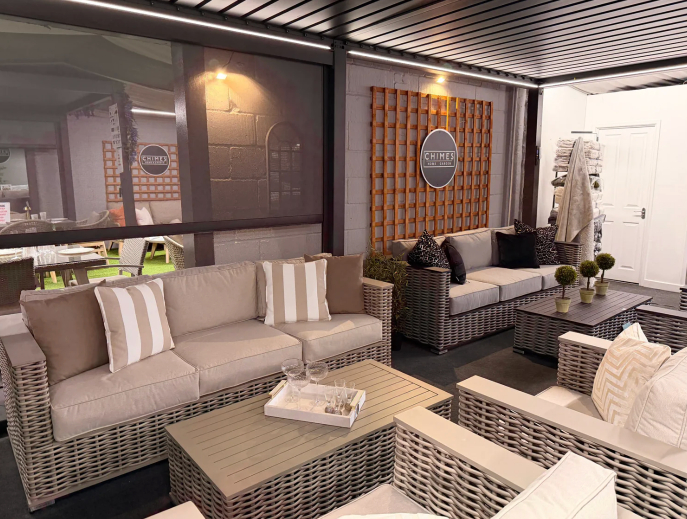
- Finishing pieces. The cushions, throws, lighting and rug that complete a living room, or the planters, lighting and cover that complete a patio set.
- Services around the product. Delivery options, assembly or installation, and removal of the old piece.
- Care and protection. Fabric care kits, garden furniture covers and cleaning products made for the material.
- A safer decision. Swatches before a fabric order, so the shopper feels sure of their choice.
Offer these where the decision happens: on the product page, in the basket and at checkout, in plain language, with clear prices.
Bundles make a big decision feel smaller
A bundle does two jobs. It raises the order value, and it saves the shopper from putting the room together themselves. A dining set with table, chairs, cushions and a cover at one price is easier to say yes to than five separate decisions.
A few rules keep bundles useful:
- Let people swap pieces. All-or-nothing sets put shoppers off.
- Show the full price and delivery date, including when items arrive separately.
- Check the margin. A bundle that discounts everything can lose money, so judge it on contribution margin per order, not just basket value.
- Make sure the pieces belong together. Curate each set rather than generating them automatically.
Where repeat purchase still matters
This isn’t a case against repeat purchase everywhere. It depends on what you sell and who you sell to:
- Plants, seeds and garden consumables are bought again and again, so reminders, replenishment and subscriptions can work.
- Care products and accessories such as cleaning kits, covers and cushions are natural second purchases, even when the big piece isn’t.
- Smaller homeware like candles, ceramics and textiles is bought more often than furniture.
- Trade customers and designers buy repeatedly, so accounts, quotes and easy reordering matter.
- The next room. A customer happy with their sofa may buy a rug, dining table or bed within a year or two. Following up with ideas for the next space is different from a win-back email.
Loyalty and referral schemes can also earn their place where a strong community means a happy customer’s value lies in who they tell, not how often they buy. The test is simple: check how long your customers actually take to come back, and let that decide where the effort goes. For most retailers with a big-ticket range and a smaller one alongside, that means most effort on the first order and light, relevant contact for the second.
Building it into your store
Most of this is within reach of a standard build on Shopify, Shopify Plus, WooCommerce or Magento, with some careful design:
- Add-on options on the product page, such as delivery, installation and care kits, shown as clear choices with prices, using the platform’s own product options or a bundling or upsell extension.
- Curated room and bundle pages with tagged products and one clear price.
- Cart and checkout suggestions that reflect what’s already in the basket, so the extras make sense.
- Clear delivery and lead-time messaging for every item in a bundle.
- Reporting on items per order, attach rate and add-on take-up, so you can see what’s working.
The details depend on your theme, extensions and catalogue, so start with a small test, such as three bundles on your best-selling pieces, before rolling it out.
How to tell if it’s working
Judge the order, not the calendar:
- Items per order, and the share of orders that include a finishing piece or service.
- Attach rate: how often add-ons are bought with the main piece.
- Add-on and bundle take-up: how many shoppers who see them go on to buy.
- Contribution margin per order, so extras and bundles are judged on profit as well as basket value.
- Returns and delivery problems on bundled orders.
- Second purchases within a year or two, as a long-term sign that customers come back for the next room.
Compare your results before and after, and test one change at a time.
Where to start
- Look at your last 50 big-piece orders. What else did customers buy, and what could they have bought?
- List the five add-ons that would help most, such as delivery, installation, care kits and covers.
- Create three bundles for your best-selling pieces, with the option to swap items.
- Show add-ons on the product page and in the basket, with clear prices and delivery details.
- Measure items per order and attach rate before and after.
Your customer may only buy a big piece once in a long while. Make that order count.